Common Plumbing Issues and How to Prevent Them
Most common plumbing problems start small: a slow drain, dripping faucet, running toilet, minor leak, or unusual change in water pressure. Addressing these warning signs early and following consistent plumbing maintenance tips can help homeowners avoid water damage, inconvenient backups, wasted water, and more extensive repairs.
Plumbing prevention is especially valuable in Wildwood, a community in far western St. Louis County that covers about 66.9 square miles. The city combines developed neighborhoods with extensive natural areas, including Rockwoods Reservation, Babler State Park, and the Al Foster Trail, giving the community a distinctive mix of residential settings.
Key Takeaways
- Small leaks and slow drains should be addressed before they develop into larger plumbing failures.
- Keeping grease, wipes, hair, and other debris out of drains helps reduce recurring clogs.
- Monitoring water pressure, fixtures, toilets, and exposed piping can reveal problems early.
- Seasonal inspections and preventive plumbing maintenance can reduce the risk of unexpected repairs.
- A recurring plumbing symptom usually deserves professional diagnosis rather than repeated temporary fixes.
What Are the Most Common Plumbing Problems in a Home?
The most common household plumbing problems include clogged drains, leaking faucets or pipes, running toilets, low water pressure, water-heater trouble, and damaged or aging pipes. Many begin gradually, which makes routine observation one of the easiest ways to catch trouble early.
Clogged or Slow Drains
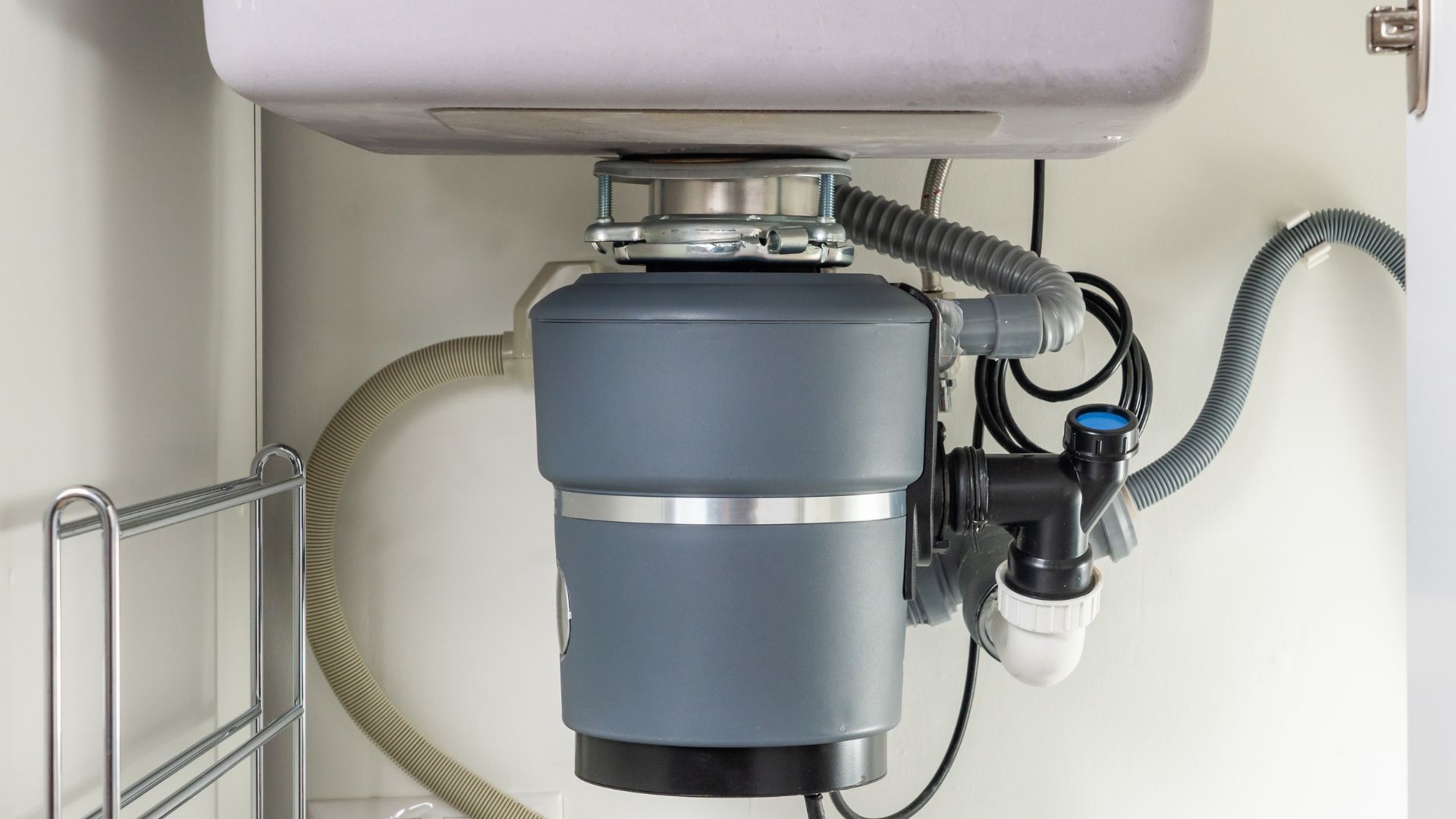
Kitchen and bathroom drains collect material every day. Grease and food debris can accumulate in kitchen lines, while hair, soap residue, and personal-care products often contribute to bathroom clogs.
To prevent plumbing issues, homeowners should avoid pouring fats, oils, or grease down a sink, use drain screens where practical, and flush only appropriate material down toilets.
Recurring clogs deserve more attention than an occasional minor blockage. Instead of continually relying on temporary fixes, professional cleaning can remove deeper buildup. The company notes that its drain-cleaning equipment includes snaking and hydro-jetting methods for different types of obstructions.
Leaking Faucets and Hidden Pipe Leaks
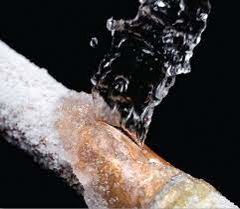
A dripping fixture may seem minor, but persistent leakage can waste water and may indicate worn internal components. Hidden leaks can be more serious because they may develop behind walls, beneath floors, or around concealed piping.
Watch for stains, unexplained moisture, musty odors, changes in water pressure, or unexpectedly high water usage. The plumbing provider's leak-detection guidance also identifies fluctuating meter readings and unexplained wet areas as possible warning signs.
Running Toilets
A toilet that continues running after the tank should have refilled may have a worn flapper, faulty fill valve, improper float adjustment, or another tank-component issue.
Homeowners can periodically listen for toilets running when no one has recently flushed them. A simple food-coloring test in the tank can also help identify water quietly leaking into the bowl. Catching the problem early can prevent unnecessary water use.
How Can Homeowners Prevent Plumbing Problems?
Learning how to prevent plumbing problems is largely about consistency. Plumbing systems perform better when homeowners pay attention to small changes instead of waiting for a complete blockage, burst line, or fixture failure.
Useful habits include:
- Inspecting exposed pipes beneath sinks for moisture or corrosion.
- Checking faucets, toilets, and supply connections for slow leaks.
- Keeping grease and food waste out of kitchen drains.
- Using hair catchers in showers and tubs.
- Knowing where the home's main water shutoff is located.
- Disconnecting and protecting exterior plumbing before freezing weather.
- Scheduling routine plumbing maintenance when the system needs a professional check.
The live service information recommends routine maintenance as a way to uncover problems that might otherwise remain unnoticed.
Why Do Plumbing Problems Keep Coming Back?
Repeated problems usually indicate that the visible symptom is not the entire issue. A drain that repeatedly clogs, for example, may have buildup farther into the line. Repeated pressure changes could point to a supply problem, while recurring leaks may indicate deterioration rather than a single loose fitting.
This matters in a geographically large community such as Wildwood. Wildwood extends across nearly 67 square miles, and Routes 100 and 109 are notable local transportation corridors; St. Louis Community College–Wildwood is located near those routes. Rather than assuming every property has the same plumbing conditions, diagnosis should consider the individual home's piping, fixtures, usage, previous repairs, and symptoms.
When Should a Plumbing Problem Be Professionally Inspected?
A professional inspection is appropriate when an issue keeps returning, water appears where it should not, several fixtures develop problems simultaneously, or a homeowner cannot identify the source.
Professional evaluation may also be appropriate for unexplained low pressure, recurring sewer odors, multiple slow drains, visible pipe deterioration, water-heater irregularities, or unexplained increases in water use.
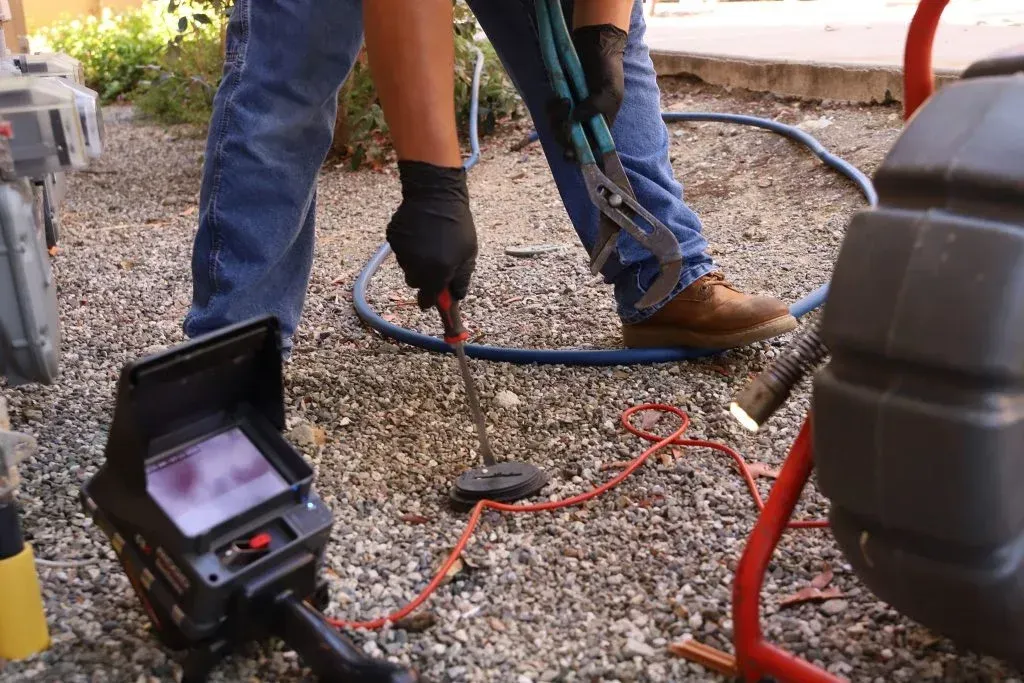
The site's inspection guidance says camera technology can be used to identify blockages, leaks, pipe damage, and root intrusion without relying solely on guesswork.
Suggested Article: How Can I Prevent Frozen Pipes From Bursting in St. Albans, MO?
How Castlewood Plumbing Can Help You
Castlewood Plumbing provides plumbing repair, maintenance, inspections, drain services, leak detection, water-heater service, sump-pump work, piping, water treatment, and other residential plumbing solutions throughout Wildwood and surrounding communities. The family-owned company states that it has served the St. Louis County area since 1993 and works with licensed and insured plumbers.
For homeowners dealing with common plumbing issues, the goal is to determine the actual source of the problem before recommending an appropriate repair or maintenance solution.
Why Choose Castlewood Plumbing?
Castlewood Plumbing provides upfront pricing, same-day service when scheduling permits, and 24/7 scheduling. Its service information also lists plumbing inspections, camera inspections, drain cleaning, leak repair, piping and repiping, water-line service, sump pumps, water heaters, and other plumbing work.
Having one team capable of inspecting, diagnosing, maintaining, and repairing multiple parts of a plumbing system can make it easier to address both immediate symptoms and underlying problems.
Stop Small Plumbing Problems Before They Become Bigger Repairs
Many common plumbing problems provide warning signs before a major failure occurs. Paying attention to slow drains, leaks, running fixtures, pressure changes, and unusual sounds, and following practical plumbing maintenance tips can help protect the home's plumbing system.
For plumbing concerns in Wildwood and surrounding St. Louis County communities, call
636-394-6737 or
request an appointment to have the problem evaluated before it becomes more disruptive.