How Can I Prevent Frozen Pipes in My Chesterfield Home?
Winter in Chesterfield has a way of sneaking up fast. One week feels manageable, and the next brings bitter cold that seeps into every corner of a home. When temperatures drop hard, the plumbing system often feels the impact first. Frozen pipes are among the most stressful winter plumbing problems because they rarely provide advance warning. One moment, everything seems fine; the next, there is no water, strange noises, or, worse, water spreading across floors and walls.
A frozen pipe can quickly burst, and the resulting damage can follow homeowners long after the snow melts. Floors can warp, drywall can crumble, and mold can take hold if water is not caught early. That is why preventing frozen pipes is so important, especially for Chesterfield homes that face long, cold spells each winter. With the right steps, frozen pipe repair in Chesterfield can often be avoided completely.
This guide outlines practical, realistic ways to protect pipes, explains what to watch for as temperatures drop, and shares when to call in a professional.
Why Frozen Pipes Are Such a Big Risk in Chesterfield
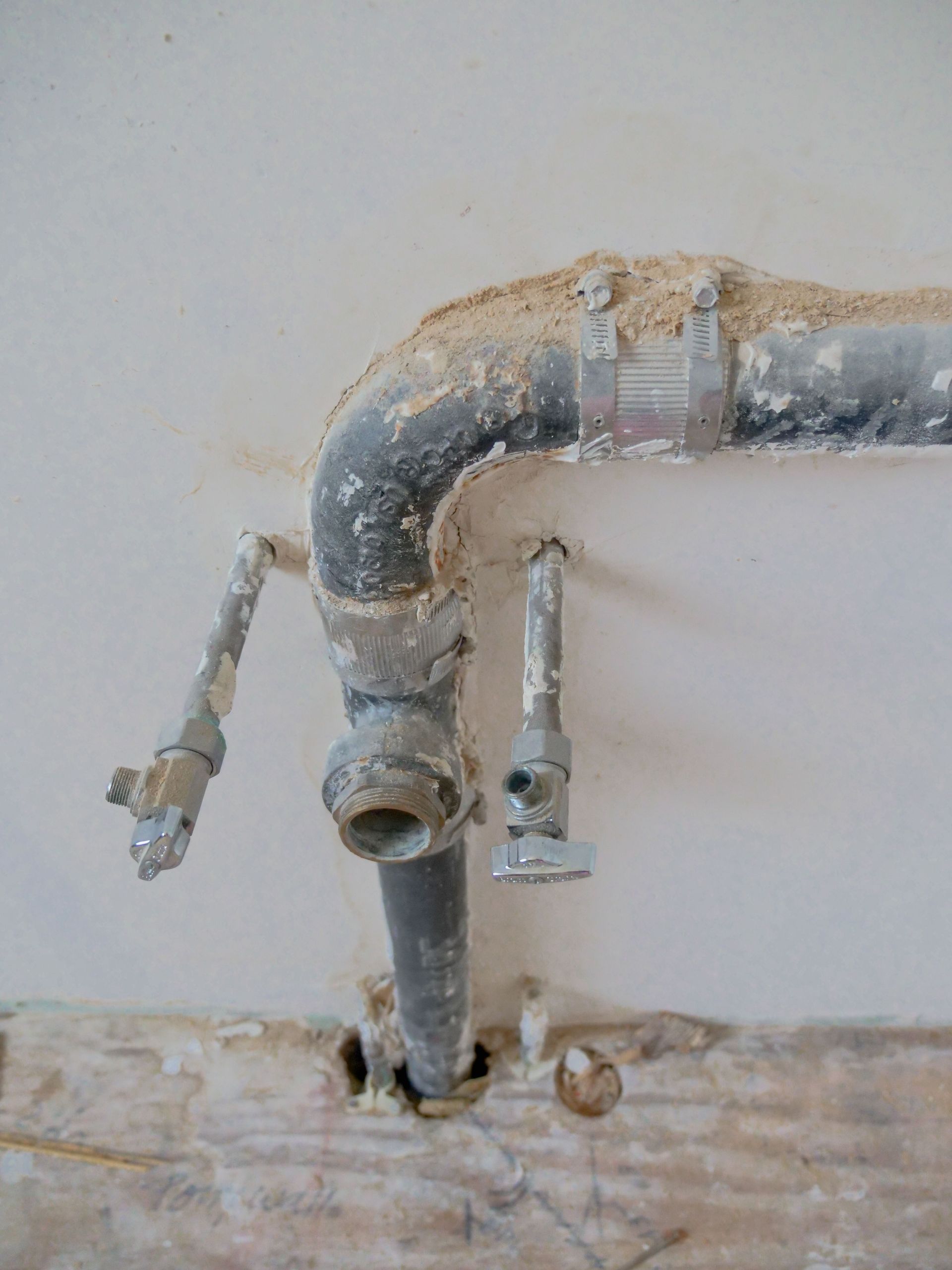
Chesterfield winters bring freezing temperatures that can last for days or even weeks. When water inside a pipe freezes, it expands. That pressure builds until the pipe cracks or bursts. Many people think the pipe breaks where the ice forms, but damage often occurs slightly away from the frozen spot where pressure is highest.
Homes in this area often have plumbing lines in basements, crawl spaces, garages, and exterior walls. These areas cool down faster than the rest of the house. Older homes may also have less insulation or pipe materials that are more sensitive to freezing. This combination makes frozen pipe repair in Chesterfield a common winter service call.
The real challenge is that frozen pipes often stay hidden until the ice melts. By then, water can spread quickly, causing significant damage before anyone realizes what is happening.
Parts of the Home Where Pipes Freeze Most Often
Understanding where pipes are most vulnerable helps focus prevention efforts where they matter most.
Pipes in unheated basements and crawl spaces are at high risk because cold air settles in low areas. Garage plumbing is another common problem spot, especially if the garage door is opened often during winter. Pipes running along exterior walls are also exposed to cold air, even when the inside of the home feels warm.
Kitchen and bathroom sinks on exterior walls require extra attention. Cabinets can trap cold air and block warm air from reaching the pipes behind them. These hidden spaces are often where freezing starts.
How Insulation Helps Prevent Frozen Pipes
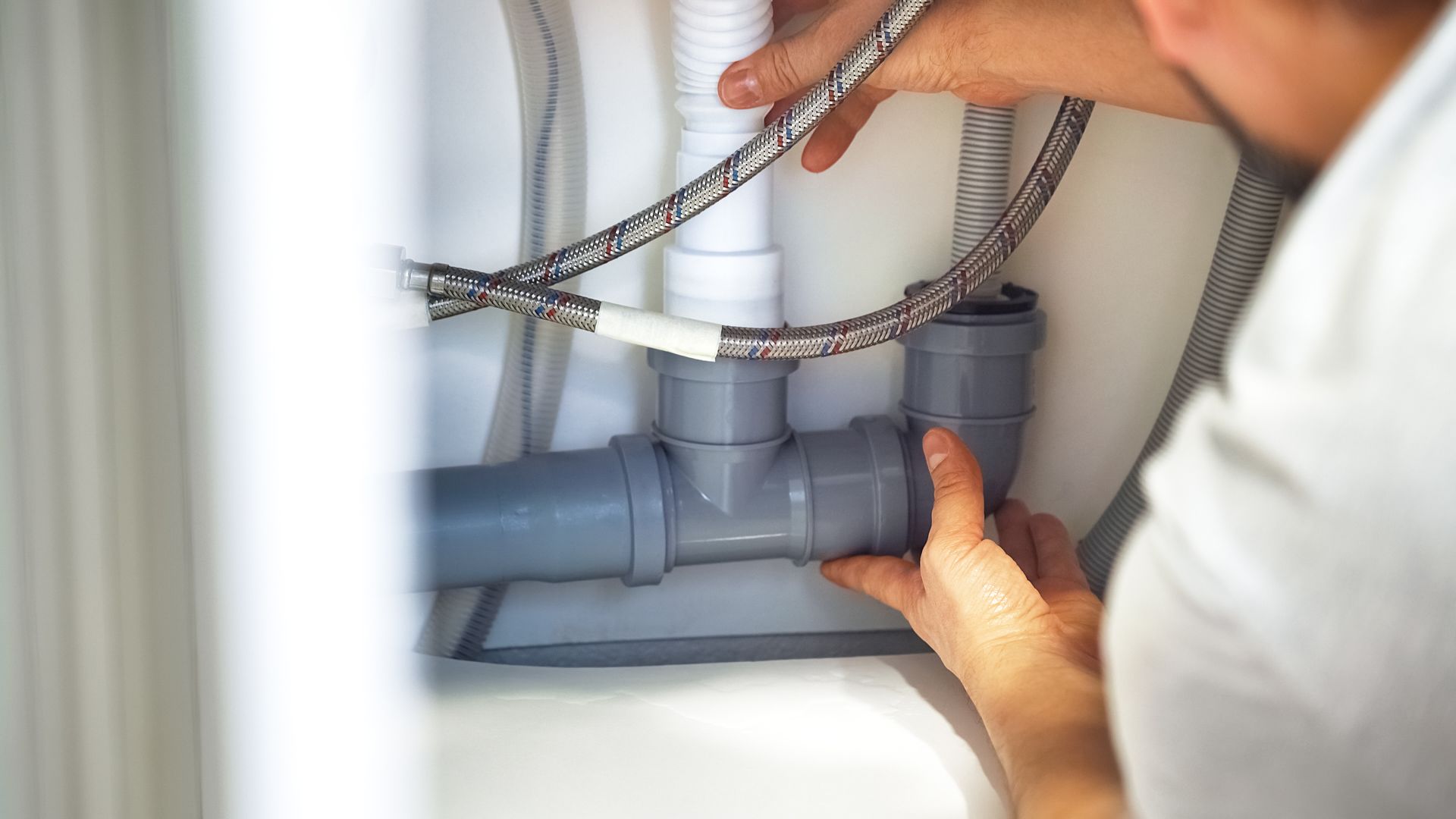
Insulation acts as a protective barrier between pipes and freezing air. Pipe insulation sleeves are among the simplest and most cost-effective ways to reduce risk. These foam sleeves slide over exposed pipes and help maintain a safer temperature.
Adding insulation to basements, crawl spaces, and attics also plays a significant role. Even small upgrades can stabilize temperatures around plumbing lines. Homes with older insulation or gaps often experience cold spots that homeowners do not notice until a pipe freezes.
Professional plumbing inspections often reveal insulation issues that are easy to fix before winter causes damage. Preventing frozen pipe repair in Chesterfield, MO, often starts with strengthening insulation where pipes are most exposed.
Sealing Drafts and Keeping Cold Air Out
Cold air does not need a wide opening to reach pipes. Small gaps around windows, doors, vents, and where pipes enter the home can allow freezing air inside. These drafts can lower temperatures around pipes enough to cause freezing overnight.
Sealing these gaps with caulk or weather stripping helps keep warm air in and cold air out. Foundation cracks and basement windows are often overlooked, yet they can make a big difference during extreme cold.
A warmer, more stable indoor environment reduces stress on the plumbing system and lowers the chances of winter pipe problems.
Why Steady Indoor Heat Matters
Turning the thermostat down too low is a common mistake during winter, especially overnight or when leaving the house for a few days. Pipes need consistent warmth to stay above freezing.
Keeping the home at or above 55 degrees helps protect pipes, even when outside temperatures drop sharply. This is especially important in homes with multiple heating zones. Rooms that are rarely used can become cold pockets that put nearby pipes at risk.
Maintaining steady heat is far less expensive than dealing with emergency frozen pipe repair in Chesterfield after a pipe bursts.
Letting Faucets Drip During Extreme Cold
A slow drip from certain faucets can help prevent pipes from freezing. Moving water is less likely to freeze than still water, especially in pipes that run through exterior walls or unheated areas.
This method works best during severe cold snaps when temperatures remain below freezing for long periods. It should not replace insulation or heating, but it provides an additional layer of protection in harsh conditions.
The small increase in water use is minor compared to the cost and stress of repairing water damage from a burst pipe.
Opening Cabinets to Let Warm Air Reach Pipes
Cabinets under sinks can block warm air from reaching plumbing lines. Opening these doors allows heated air from the room to circulate around the pipes.
This simple step is especially helpful for sinks located on exterior walls. Combined with proper insulation and steady indoor heat, it can greatly reduce the risk of freezing during cold nights.
Many homeowners are surprised by how effective this small habit can be.
Outdoor Plumbing Needs Attention Too
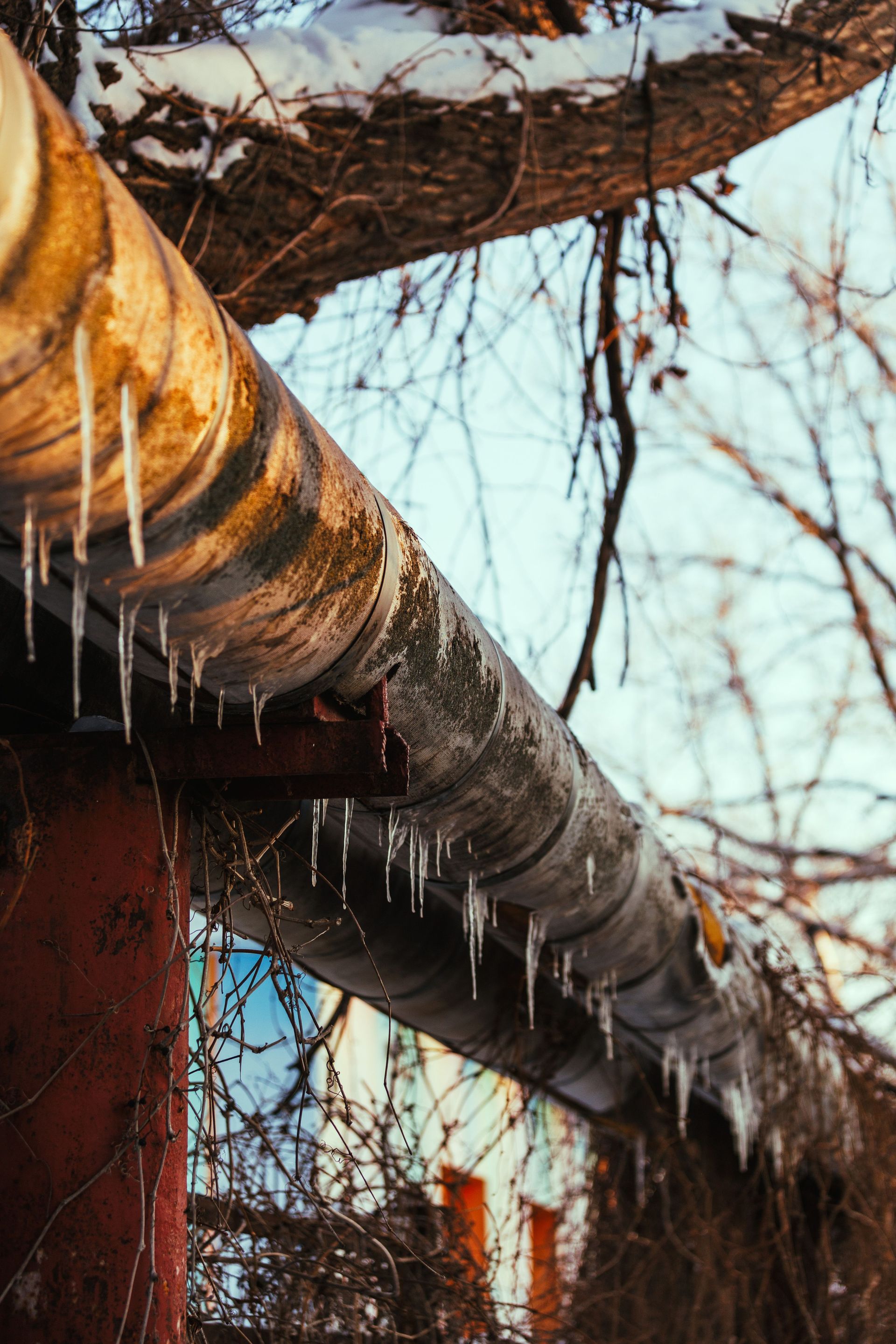
Outdoor faucets and hoses are frequent causes of frozen pipes. Leaving hoses connected traps water inside the line, which can freeze and crack the pipe.
Disconnecting hoses before winter and shutting off exterior water valves helps prevent freezing. Draining any remaining water from outdoor lines adds another layer of protection.
Homes without frost-free spigots benefit greatly from these steps, and upgrades are often available for long-term protection.
Signs That a Pipe May Be Frozen
Frozen pipes do not always announce themselves clearly, but there are warning signs to watch for. Reduced water flow is one of the most common clues. Strange odors from drains can also indicate an ice blockage.
Visible frost on exposed pipes is another sign that temperatures are too low. Unusual noises when turning on faucets may indicate ice in the line.
Recognizing these signs early can prevent a full burst and reduce the need for major frozen pipe repair in Chesterfield.
What To Do If a Pipe Freezes
If a pipe is suspected to be frozen, acting quickly is important. Turning off the main water supply helps prevent flooding if the pipe bursts. Applying gentle heat using warm towels or a hair dryer can help thaw the pipe safely.
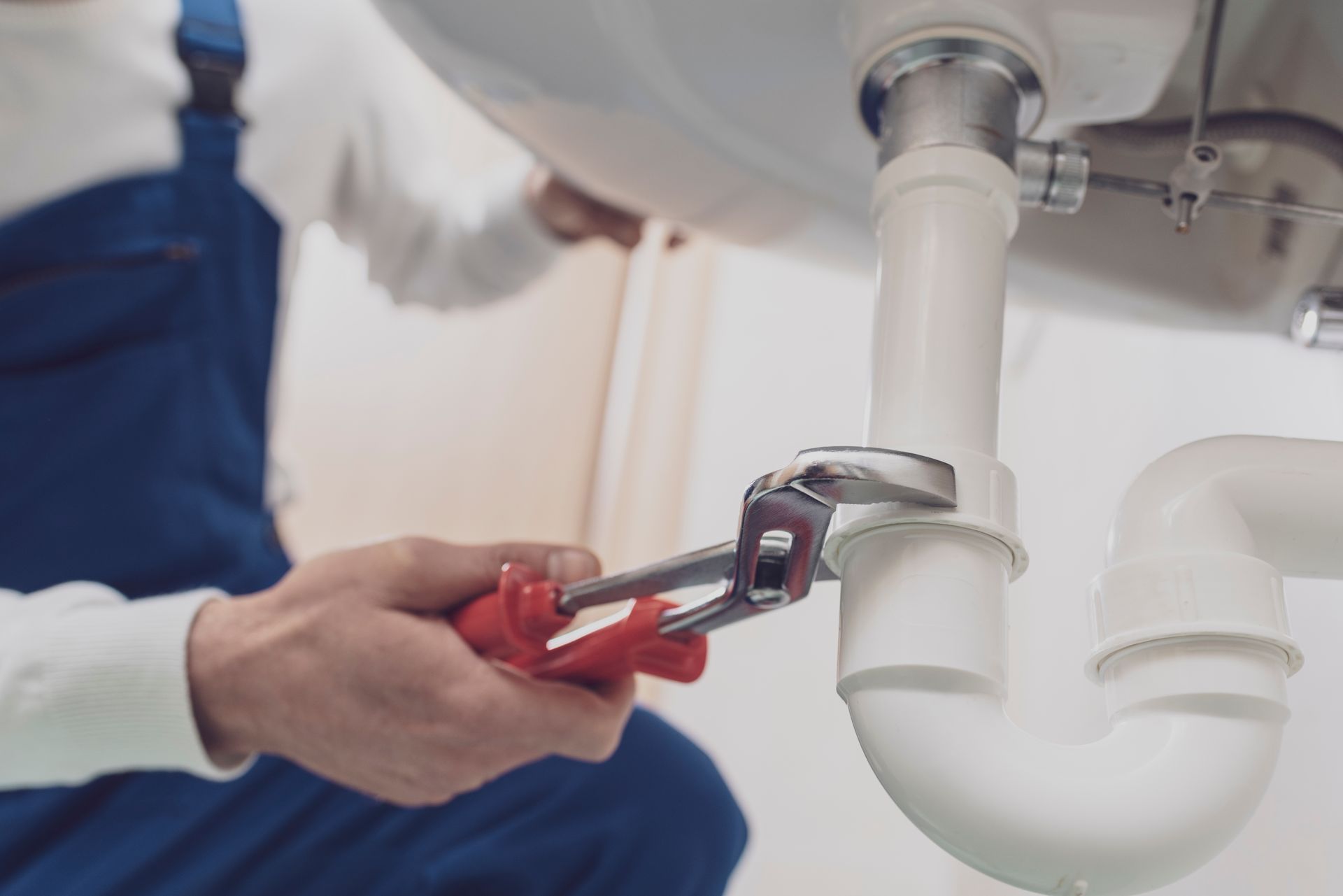
Open flames or high-heat tools should never be used. These methods can damage pipes and create serious safety risks. If the frozen section cannot be found or thawed easily, calling a professional plumber is the safest choice.
Quick action can mean the difference between a simple fix and extensive water damage.
How Castlewood Plumbing Can Help You
Preventing frozen pipes is always easier with professional support. Castlewood Plumbing provides plumbing inspections, maintenance, and repairs designed to prepare homes for winter conditions in Chesterfield and throughout St. Louis County. With decades of experience, the team understands which plumbing setups are most vulnerable during cold weather.
Services include pipe inspections, insulation recommendations, pipe repairs, and emergency response for frozen pipe repair in Chesterfield. Fully stocked service vehicles allow technicians to address issues quickly, even during severe winter conditions. Same-day and 24/7 emergency service ensures help is available when it is needed most.
Whether preparing a home for winter or responding to a frozen-pipe emergency, professional support provides peace of mind and reduces long-term risk.
Why Choose Castlewood Plumbing
Choosing the right plumber matters, especially during winter emergencies. Castlewood Plumbing is a family-owned and operated company that has served St. Louis County for over 30 years. The team is licensed, insured, and committed to doing the job right the first time.
Homeowners benefit from transparent upfront pricing, competitive rates, and strong warranties. The focus is always on clear communication and solutions tailored to each home. Experience with a wide range of plumbing systems allows the team to handle both minor repairs and complex winter plumbing challenges.
For Chesterfield homeowners, having a trusted local plumber makes winter far less stressful.
Simple Winter Plumbing Tips to Remember
Preparing for winter does not have to be complicated. A few habits and checks can greatly reduce the risk of frozen pipes.
- Keep indoor temperatures consistent, even when away from home.
- Insulate exposed pipes and seal drafts around plumbing areas.
- Disconnect outdoor hoses and shut off exterior water lines.
These steps, combined with professional inspections, help prevent frozen pipe repair in Chesterfield and protect homes throughout the cold season.
Planning Ahead Saves Stress and Money
Many frozen pipe emergencies happen because preparation starts too late. Planning ahead allows time to identify weak spots, make improvements, and address small issues before they turn into big problems.
Scheduling a plumbing inspection in the fall is one of the best ways to reduce winter risks. It provides a clear view of the plumbing system and highlights areas requiring attention. Small investments in prevention often save thousands in repair and restoration costs.
Winter weather is unpredictable, but plumbing damage does not have to be.
Call The Knight To Fix It Right
When winter plumbing problems strike, fast and reliable help matters. Castlewood Plumbing is ready to assist Chesterfield homeowners with inspections, maintenance, and frozen-pipe repair as temperatures drop. Same-day and 24/7 emergency service means help is always within reach.
To protect your home this winter or to get immediate help with frozen pipes, call Castlewood Plumbing at 636-394-6737 or request an appointment online. A trusted local team is ready to keep your plumbing system running safely all season long.