What Is the Most Common Problem With a Hot Water Heater?
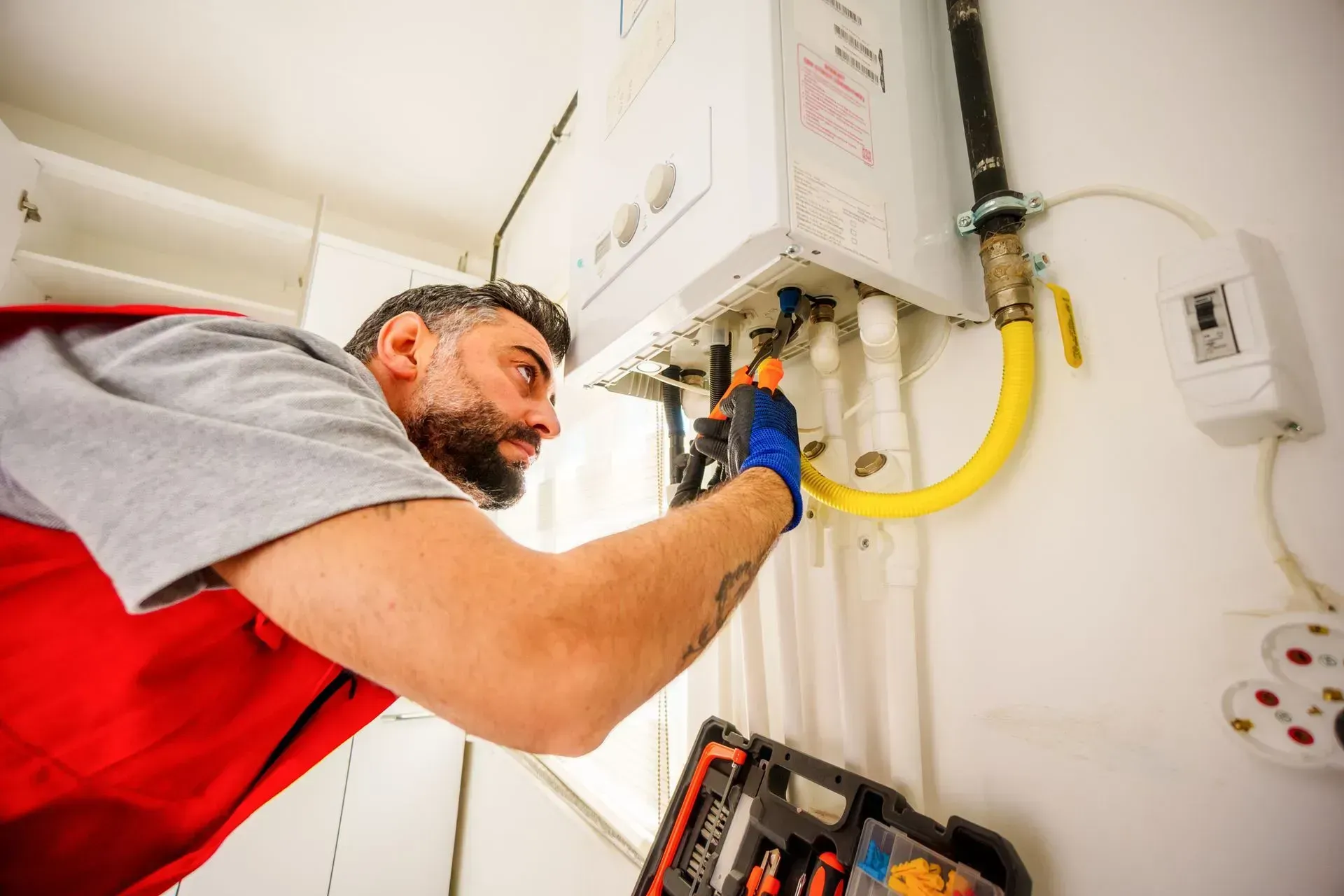
Few things are as frustrating as turning on the shower expecting hot water, only to be hit with an icy surprise. Hot water is one of those comforts we often take for granted until it suddenly disappears. Whether you rely on it for bathing, cleaning, or cooking, losing hot water can bring your day to a standstill.
For many homeowners, the culprit behind a failing water heater is a simple yet often overlooked factor: sediment buildup. This is one of the most common and preventable water heater problems. But it’s not the only one. Knowing what’s going on inside your water heater can help you catch issues early and save money on repairs.
Key Takeaways
- Sediment buildup is the top cause of hot water heater failure.
- Strange noises, leaks, or rusty water are warning signs that your heater needs repair.
- Regular maintenance keeps your system efficient and extends its lifespan.
- Ignoring small issues can lead to expensive replacements later.
- Professional water heater repair in Pacific, MO, can restore comfort quickly and safely.
How a Water Heater Works (and Why Problems Happen)
Your water heater works hard every day to deliver warm water throughout your home. In most systems, cold water enters a storage tank where gas burners or electric elements heat it. The hot water rises to the top, ready to flow when you open the tap.
Over time, minerals in your water, such as calcium and magnesium, settle to the bottom of the tank. This sediment layer acts as insulation, forcing your heater to work harder to maintain the temperature. It’s a small problem that grows bigger the longer it’s ignored.
Once buildup takes hold, you may notice:
- Longer heating times
- Unusual popping or rumbling noises
- Rusty or cloudy water
- Inconsistent water temperature
Sediment buildup doesn’t just waste energy; it shortens the life of your water heater. A simple annual flush can help keep your system in great shape, but once buildup hardens, professional cleaning may be the only fix.
The Most Common Hot Water Heater Problem: Sediment Buildup
Sediment accumulation is the number one cause of water heater trouble. As minerals collect at the bottom of the tank, they form a thick, crusty layer that reduces efficiency.
Here’s what happens as it worsens:
- Reduced efficiency: The heating element or burner must work harder, increasing energy costs.
- Strange noises: Popping or knocking sounds occur as steam bubbles try to escape through the sediment.
- Overheating and damage: Constant strain can cause the tank to overheat and eventually crack.
How to prevent it:
Flush your water heater at least once a year to remove sediment. For homes with hard water, consider installing a water softener to reduce mineral buildup.
If your heater is already showing signs of sediment damage, professional water heater repair in Pacific, MO can restore its function safely and effectively.
Other Common Water Heater Problems
While sediment buildup is the leading cause, several other factors can also lead to water heater malfunctions. Here are some to watch out for:
1. No Hot Water
If your water heater isn’t producing any hot water, it may be due to a broken heating element, a faulty pilot light, or a malfunctioning thermostat. Electric units often experience heating element failure, while gas models can have pilot or burner issues.
2. Leaking Tank or Valves
Leaks can stem from loose connections, a faulty pressure relief valve, or internal corrosion. If the tank itself is leaking, it’s often a sign that replacement is the only safe solution.
3. Rust-Colored Water
Discolored or rusty water usually means the inside of your tank is corroding. Replacing the anode rod may help prevent further rusting, but if corrosion has spread, a full replacement may be necessary.
4. Temperature Fluctuations
Water that’s too hot, too cold, or constantly changing temperature can indicate a problem with the thermostat or heating element. A quick inspection can usually identify and fix the issue.
5. Low Hot Water Pressure
Mineral buildup inside the pipes or tank can restrict water flow. This not only reduces pressure but also makes your heater less efficient.
When in doubt, have a Castlewood Plumbing professionalinspect the system to identify the root cause.
Signs You Need Water Heater Repair
You don’t have to wait until your water heater fails completely before calling for help. Early warning signs can help you catch issues before they escalate.
Watch for these signs:
- Water takes longer to heat up than usual
- Water smells metallic or musty
- You hear unusual noises coming from the tank
- The water temperature keeps changing unexpectedly
- There’s visible water pooling near the base of the unit
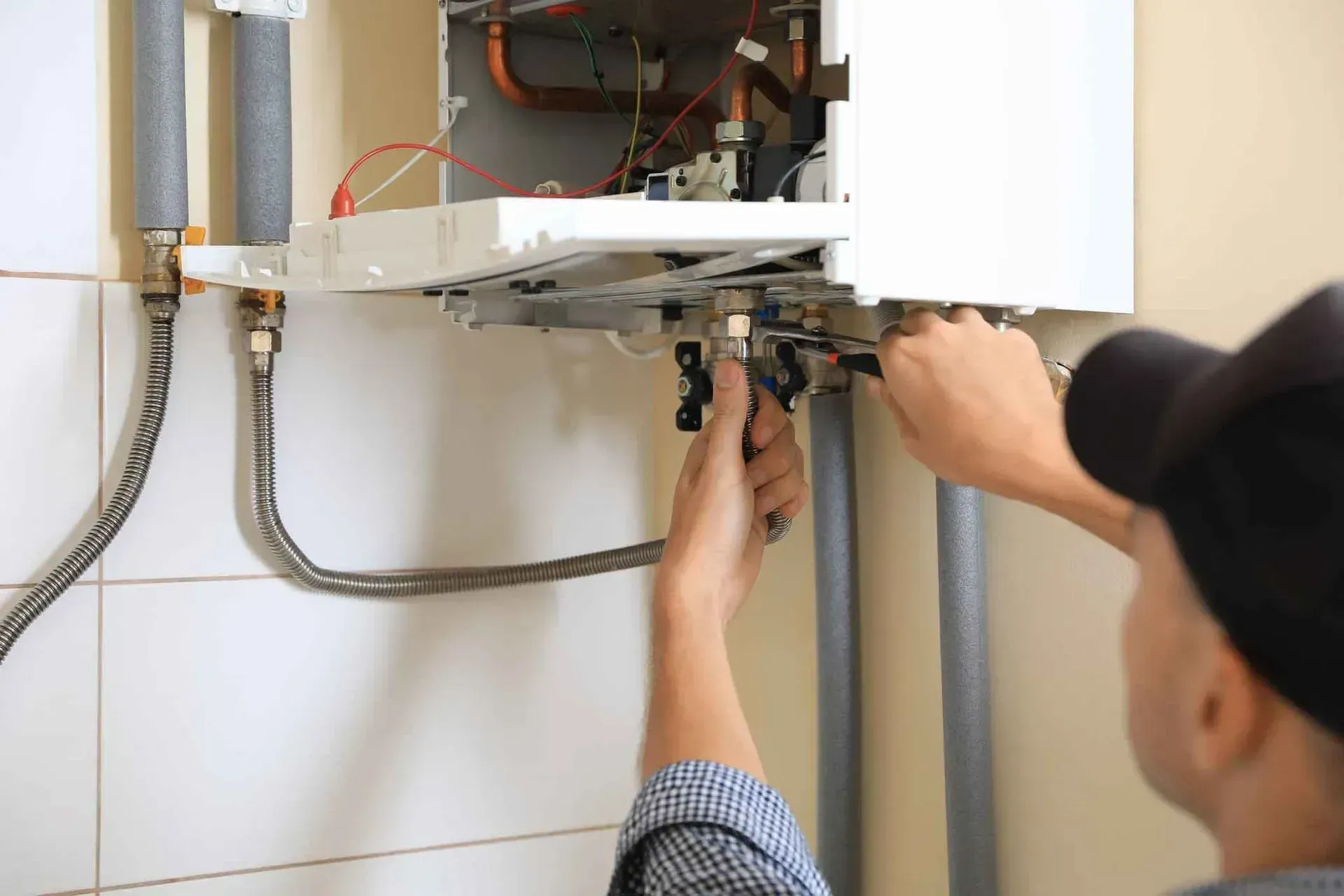
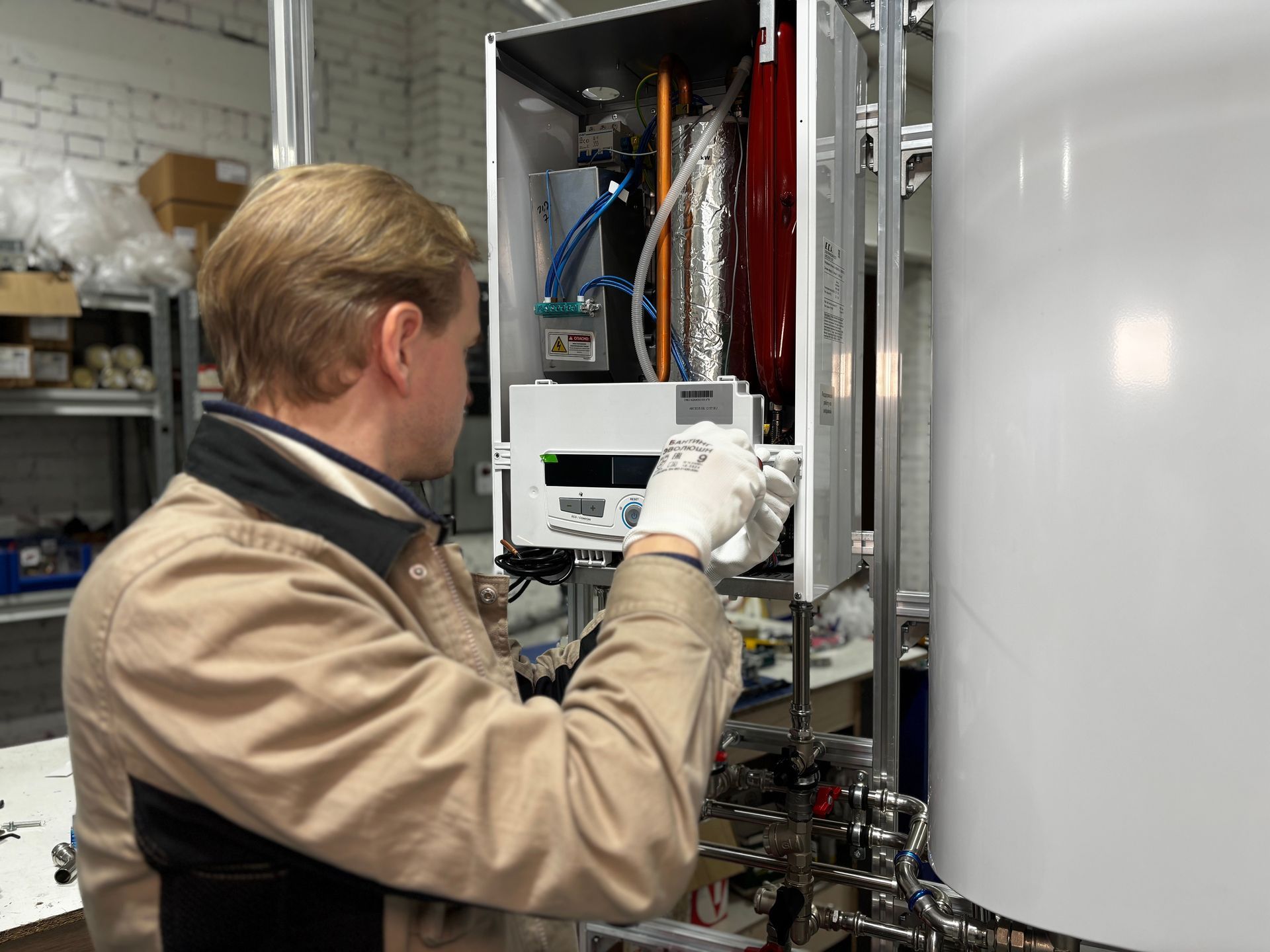
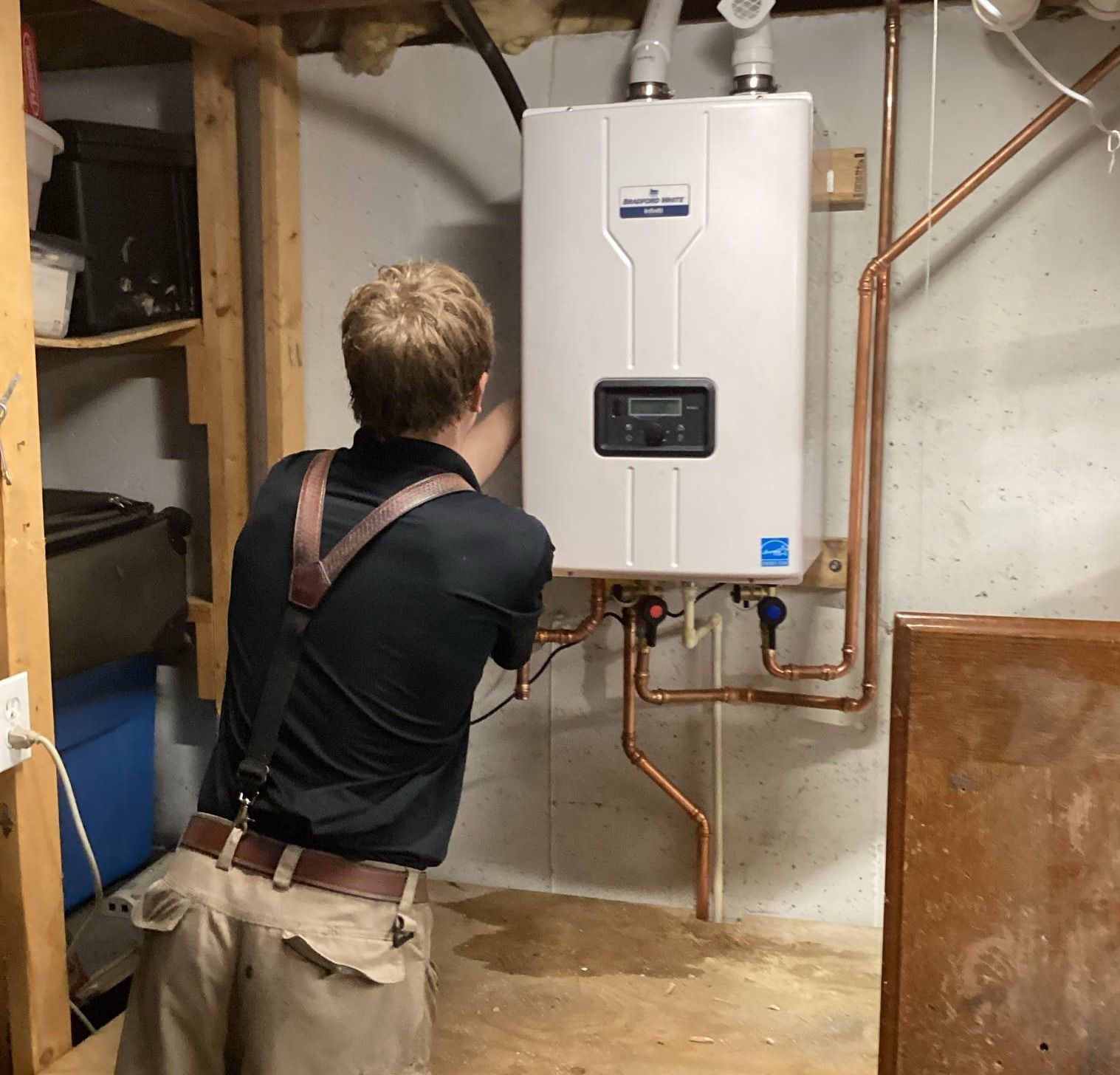
If any of these sound familiar, it’s time to schedule a professional water heater repair in Pacific, MO. Timely maintenance can prevent costly damage and extend your system's lifespan.
The Importance of Regular Water Heater Maintenance
A little preventive care goes a long way. Regular maintenance of your water heater not only ensures you always have hot water but also helps lower your energy bills and prevent breakdowns.
Here’s what a professional maintenance visit typically includes:
- Flushing the tank to remove sediment and mineral buildup
- Checking the anode rod for corrosion and replacing it if needed
- Inspecting valves, connections, and vents for leaks or blockages
- Testing thermostats and heating elements for proper function
- Ensuring safety controls are working correctly
Annual maintenance can extend your water heater’s life by several years. It’s an affordable investment that keeps your system running efficiently and your home comfortable year-round.
Repair or Replace: How to Decide
One of the most common questions homeowners ask is whether they should repair or replace their water heater. The answer depends on several factors, including age, efficiency, and overall condition.
Here’s a simple way to think about it:
- Under 8 years old and minor issue? Repair it.
- Over 10 years old and having frequent problems? Replacement is often the smarter choice.
- Leaking tank or severe corrosion? Replacement is necessary.
- Energy bills increasing? A new, efficient model can help save money in the long term.
Newer water heaters offer improved efficiency and performance. If your unit is nearing the end of its life, consider upgrading. Professional plumbers, like those at Castlewood Plumbing, can help you choose a system that fits your home’s size and budget.
Why Homeowners in Pacific, MO Trust Castlewood Plumbing
For over 30 years, Castlewood Plumbing has been providing reliable plumbing solutions across the Pacific and West St. Louis areas. What started as a small, family-run business has grown into a trusted local name known for honesty, skill, and customer care.
Here’s why homeowners continue to call on Castlewood Plumbing:
- Same-day service available for urgent repairs
- Licensed and insured plumbers with decades of experience
- Transparent, upfront pricing, no surprises or hidden fees
- 24/7 emergency assistance for unexpected breakdowns
- 100% satisfaction guarantee on every job
When your water heater stops working, you need fast, dependable service. Castlewood Plumbing’s friendly professionals will diagnose the issue, explain your options, and make sure the job is done right the first time.
Restore Your Comfort with Expert Water Heater Repair in Pacific, MO
Hot water shouldn’t be a luxury it should be something you can count on every day. Whether your system is leaking, making noises, or not heating at all, expert help is just a phone call away.
The team at Castlewood Plumbing is ready to handle everything from minor tune-ups to full replacements. With our commitment to honest service and lasting solutions, you’ll always know your home’s hot water is in capable hands.
Call Castlewood Plumbing today at (636) 394-6737 or visit the website to schedule your water heater repair in Pacific, MO.
Your comfort matters, and with Castlewood Plumbing, you can always count on the Knight to fix it right.