The Do’s and Don’ts of Using Your Garbage Disposal
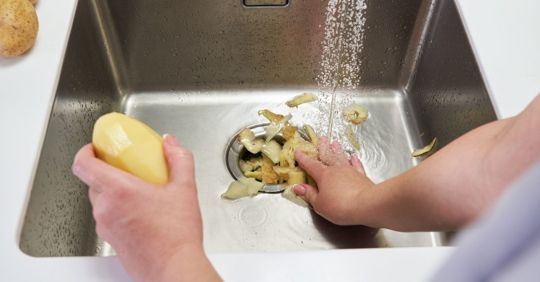
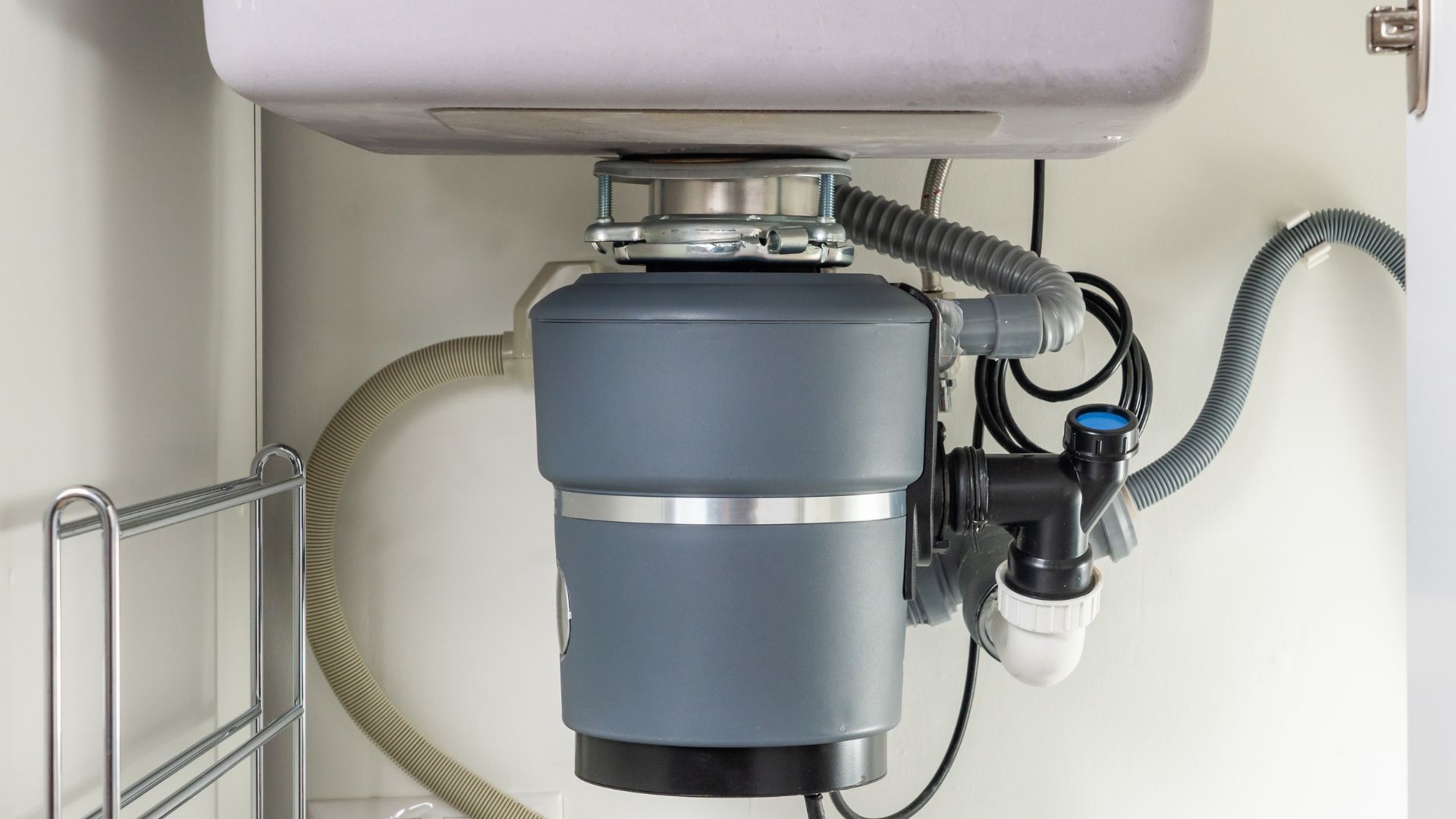
A garbage disposal can make kitchen cleanup easier, but using it incorrectly can lead to jams, foul odors, leaks, and clogged drains. The best approach is simple: run cold water, feed food scraps gradually, keep grease and hard or fibrous materials out, and stop the unit when something does not sound or drain normally.
For homeowners in Wildwood, Missouri, a city in western St. Louis County known for places such as Rockwoods Reservation, Babler State Park, and the Al Foster Trail, keeping kitchen plumbing dependable is an everyday part of protecting the home. Proper disposal habits can reduce unnecessary strain on both the appliance and the connected drain line.
Key Takeaways
- Run cold water before, during, and briefly after operating the garbage disposal.
- Keep grease, cooking oil, bones, fibrous vegetables, and non-food objects out of the unit.
- Feed food scraps into the disposal gradually instead of forcing in a large amount at once.
- Persistent jams, leaks, odors, or unusual noises may require garbage disposal repair services.
- Good garbage disposal maintenance can help reduce clogs and unnecessary wear.
What Should You Do When Using a Garbage Disposal?
Good disposal habits focus on controlling what enters the unit and helping waste move freely into the drain.
Do Run Cold Water
Turn on a steady stream of cold water before switching on the disposal. Keep the water running while food is being ground, and for several seconds afterward so remaining particles can move through the drain.
Cold water is generally preferable because it helps keep fats and grease from becoming more fluid inside the disposal and drain system.
Do Add Food Scraps Gradually
A garbage disposal is not designed to accept an entire sink full of food at once. Place small amounts into the unit and allow each batch to clear before adding more.
This reduces pressure on the motor and can lower the chance of food accumulating in the drain.
Do Cut Large Scraps Into Smaller Pieces
Large pieces make the unit work harder. Breaking manageable food waste into smaller portions before grinding it makes processing easier and can help prevent jams.
Do Pay Attention to Changes in Performance
Grinding sounds, humming without grinding, recurring resets, slow drainage, leaking below the sink, and persistent odors can indicate a mechanical or plumbing problem.
When these symptoms continue, professional garbage disposal troubleshooting can determine whether the problem involves the disposal itself or the surrounding drain connection.
What Should You Never Put Down a Garbage Disposal?
Knowing what not to grind is just as important as knowing how to operate the appliance.
Don’t Pour Grease, Fat, or Cooking Oil Down the Drain
Grease can coat pipes and contribute to stubborn buildup. The company’s drain-cleaning guidance also recommends keeping fats, oils, and grease out of kitchen drains. Instead, allow grease to cool and dispose of it in an appropriate container.
Don’t Grind Hard Objects
Bones, fruit pits, shells, utensils, glass, and other hard materials can jam or damage disposal components. If a foreign object falls inside, turn the unit off rather than reaching into it.
Don’t Overload It With Fibrous or Starchy Foods
Celery, corn husks, large quantities of potato peelings, and similar scraps can create problems. Stringy fibers may become wrapped around internal components, while heavy concentrations of starch can contribute to thick residue.
Don’t Use the Disposal as a Trash Can
Only appropriate food scraps belong in a disposal. Packaging, plastic, paper, twist ties, sponges, and other household waste should always go into the trash or recycling.
What Should You Do If Your Garbage Disposal Jams?
First, turn the disposal off. Do not continue flipping the switch if the motor hums but the grinding mechanism does not move.
Many units have an overload reset, but a disposal that repeatedly jams or trips may have a deeper problem. Electrical issues, clogged piping, overheating, a jammed mechanism, and motor failure are among the causes identified on the local disposal service page.
Avoid placing your hand inside the unit. When the cause is unclear or the disposal repeatedly fails, a qualified garbage disposal repair contractor can inspect it safely.
When Is Garbage Disposal Repair Better Than Replacement?
Minor jams, loose connections, certain clogs, and isolated mechanical issues may be repairable. Frequent breakdowns, leaking from the body of the unit, significant motor problems, or an aging disposal may make garbage disposal replacement more practical.
A professional garbage disposal repair company can inspect the condition of the unit before recommending either option. The goal should be to correct the underlying problem rather than repeatedly resetting a disposal that continues to fail.
For homeowners considering an upgrade, professional garbage disposal installation also helps make sure the appliance is correctly connected to the sink, drain, and applicable electrical components.
Why Proper Disposal Use Matters in Wildwood Homes
Wildwood covers a large area in the far western portion of St. Louis County and was incorporated in 1995. Its approximately 67-square-mile footprint includes established residential areas alongside extensive parks, trails, and natural land. That varied residential setting means kitchen plumbing configurations can differ from one property to another, making correct disposal use and proper installation more important than assuming every sink setup is identical.
Responsible everyday use helps protect not only the disposal motor but also the connected kitchen drain and plumbing fittings.
Suggested Article: Should I Repair or Replace My Garbage Disposal in Eureka, MO?
How Castlewood Plumbing Can Help You
Castlewood Plumbing provides professional garbage disposal repair, replacement, maintenance, and installation for homeowners throughout Wildwood and surrounding communities. Their licensed and insured plumbers can inspect unusual noises, recurring clogs, leaks, electrical-related failures, and units that have stopped operating properly.
Why Choose Castlewood Plumbing?
Castlewood Plumbing has served the St. Louis County area for more than 30 years and offers upfront pricing, same-day appointments subject to availability, warranties, and 24/7 scheduling. Its service offerings include disposals, drains, fixtures, piping, water heaters, sump pumps, and other residential plumbing needs.
Keep Your Kitchen Running Smoothly—Request Garbage Disposal Service Today
Good disposal habits can prevent many common problems, but repeated jams, slow drainage, leaks, or unusual noises deserve professional attention. Call
636-394-6737 or
request an appointment to have a kitchen plumbing problem evaluated and get the disposal working reliably again.