What You Should Know About High Water Pressure in Your Home
Having high water pressure in house plumbing may seem like a good thing when showers feel stronger, or faucets fill quickly, but excessive pressure can put unnecessary strain on pipes, fixtures, valves, and appliances. Residential water pressure that repeatedly rises beyond safe operating levels should be investigated before it contributes to leaks or premature plumbing wear.
The problem is not always obvious. Water pressure may be excessive throughout the day, fluctuate when municipal demand changes, or rise because a pressure-control component is no longer working correctly. Checking the actual pressure is the best way to determine what is happening.
Key Takeaways
- Excessive water pressure can increase stress on pipes, fixtures, supply lines, and water-using appliances.
- A water pressure gauge provides an objective measurement instead of relying on how strong a faucet feels.
- A properly functioning water pressure regulator helps control incoming municipal water pressure.
- Repeated readings above 80 psi should be evaluated because plumbing-code guidance generally calls for pressure reduction above this level.
- Unusual pressure, banging pipes, leaks, or frequent fixture problems are good reasons to schedule a professional plumbing inspection.
What Are the Signs of High Water Pressure?
Some signs of high water pressure are easy to overlook because they can resemble other plumbing problems. One strong shower alone does not prove that pressure is excessive.
Homeowners may notice:
- Faucets or showers that spray with unusual force
- Banging or hammering noises when valves close
- Toilets or faucets that develop recurring leaks
- Shortened life of appliance supply hoses
- Dripping pressure-relief valves
- Premature fixture wear
- Sudden changes in water pressure throughout the home
Persistent problems deserve attention because high water pressure damage tends to develop over time. Connections, seals, cartridges, flexible supply lines, and other components experience added stress every time water moves through the system.
What Is Normal Water Pressure for a House?
There is no single perfect normal water pressure for a house, because conditions vary by plumbing design and the incoming water supply. However, many residential systems operate comfortably around 40 to 60 psi.
Pressure above 80 psi is an important threshold. Plumbing-code guidance calls for an approved pressure-reducing valve when static building pressure exceeds 80 psi so pressure can be reduced to 80 psi or below.
A professional can evaluate both static pressure, when no water is running, and how pressure behaves while fixtures are being used.
How Can You Check Your Home's Water Pressure?
A water pressure gauge is the simplest tool for obtaining an actual pressure reading. The gauge can typically be attached to an exterior hose connection or another compatible threaded fixture.
For a useful reading:
- Make sure faucets and water-using appliances are off.
- Connect the gauge securely.
- Open the valve fully.
- Record the static pressure.
- Consider monitoring it at different times if pressure seems to fluctuate.
A single reading can provide useful information, but repeated high measurements may point to a failing regulator, changes in municipal supply pressure, or another plumbing condition that requires diagnosis.
What Does a Water Pressure Regulator Do?
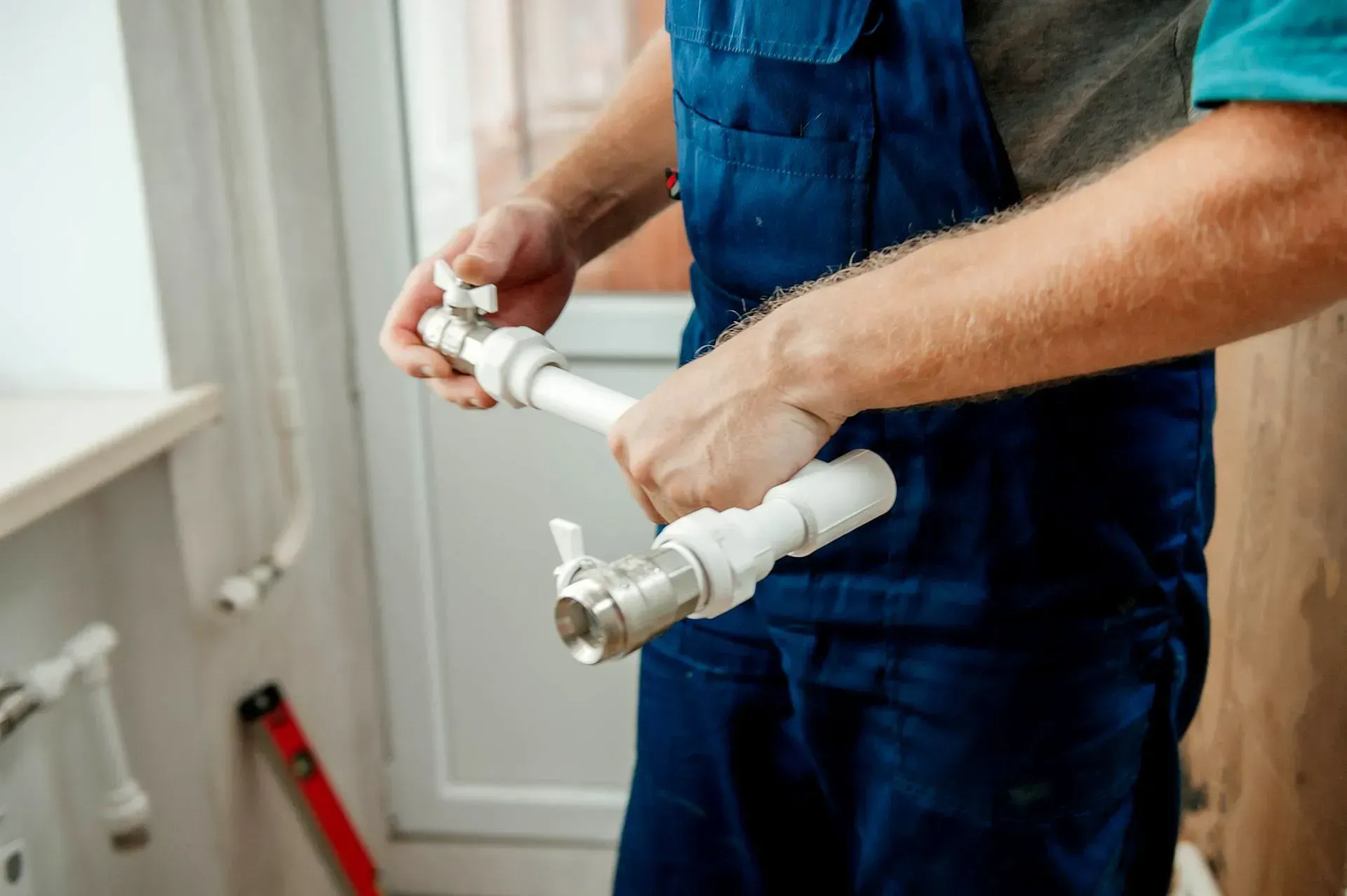
A water pressure regulator controls the pressure entering the home's plumbing system. It is usually installed where the main water supply enters the property and reduces higher incoming pressure to a safer, more practical level.
Like other mechanical plumbing components, regulators can wear over time. A failing regulator may allow pressure to climb, fluctuate, or behave unpredictably.
That matters in Wildwood and the surrounding western St. Louis County area, where the community spans a large geographic area bordered by Chesterfield, Ellisville, Eureka, Pacific, and Franklin County. Different elevations and water-supply conditions can contribute to differences in pressure from one property to another, so testing the individual home's system is more useful than assuming every nearby property has the same pressure.
How Do You Adjust Water Pressure in a House?
Homeowners searching for how to adjust water pressure in house plumbing will often find instructions for changing the setting on a regulator. However, adjusting the regulator is only appropriate when the regulator is functioning correctly, and excessive pressure is actually the cause.
Turning an adjustment without first measuring pressure can create a new problem. Too little pressure can reduce fixture performance, while excessive pressure can continue stressing the plumbing.
A plumber can test the system, evaluate the regulator, and determine whether adjustment, repair, or replacement is appropriate.
Can High Water Pressure Damage Pipes?
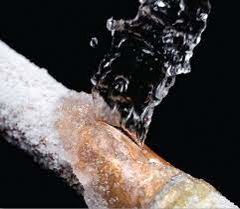
Yes. Excessive pressure increases the force placed on plumbing materials and connections. It can contribute to leaks at weak joints, accelerate wear on fixture components, and place additional stress on appliance connections.
High pressure does not automatically mean a pipe will fail immediately. Instead, it can increase wear over months or years, particularly when the plumbing system already has aging components or vulnerable connections.
For local homeowners, Wildwood's Rockwoods Reservation and Babler State Park reflect the hilly landscape found throughout this part of western St. Louis County, making property-specific plumbing conditions especially worth evaluating rather than relying on a neighborhood-wide assumption.
Should a Pressure Reducing Valve Be Replaced?
A pressure reducing valve may need replacement if it can no longer maintain consistent downstream pressure or if adjustment does not correct the problem.
Possible warning signs include pressure that keeps returning to an excessive level, inconsistent pressure, or unexplained changes after years of stable operation.
A plumber can confirm whether the valve itself is faulty or whether another condition—such as thermal expansion or a supply-side issue—is affecting the pressure.
Suggested Article: How Much Does Low Water Pressure Repair Cost in Manchester, MO?
How Castlewood Plumbing Can Help You
Castlewood Plumbing can measure incoming water pressure, inspect pressure-control components, and identify whether the problem involves a regulator, fixture, pipe, or another part of the plumbing system.
Our licensed and insured plumbers have served St. Louis County since 1993 and can explain the findings before recommending an appropriate solution. If pressure is too high, we can determine whether adjustment or replacement is needed instead of relying on guesswork.
Why Choose Castlewood Plumbing
We provide upfront pricing, same-day service when scheduling allows, licensed and insured plumbing professionals, and solutions tailored to the condition of each plumbing system.
Our service area includes Wildwood and communities throughout West St. Louis County and surrounding areas. Homeowners who notice unusually strong water flow, recurring leaks, noisy pipes, or changing pressure can have the system evaluated before a small concern becomes a larger repair.
Protect Your Plumbing From Excessive Water Pressure
Ignoring high water pressure in house plumbing can lead to unnecessary wear on fixtures, pipes, valves, and appliance connections. Measuring the pressure and identifying the cause provides a much clearer path than simply adjusting components without testing.
If the water in your Wildwood or West St. Louis County home seems unusually forceful or pressure readings remain high,
contact us to request an appointment or call
636-394-6737. We can test the system, explain the results, and recommend the appropriate next step.